查看更多
查看更多
查看更多
查看更多
查看更多
查看更多
查看更多
Imagine a chemical plant where precise liquid level monitoring prevents hazardous spills, or a water treatment facility relying on real-time data to optimize operations. In these scenarios, a radar level transmitter becomes an indispensable tool. But what exactly is its English technical name, and why does this terminology matter in global industries? Let’s dive into the details.
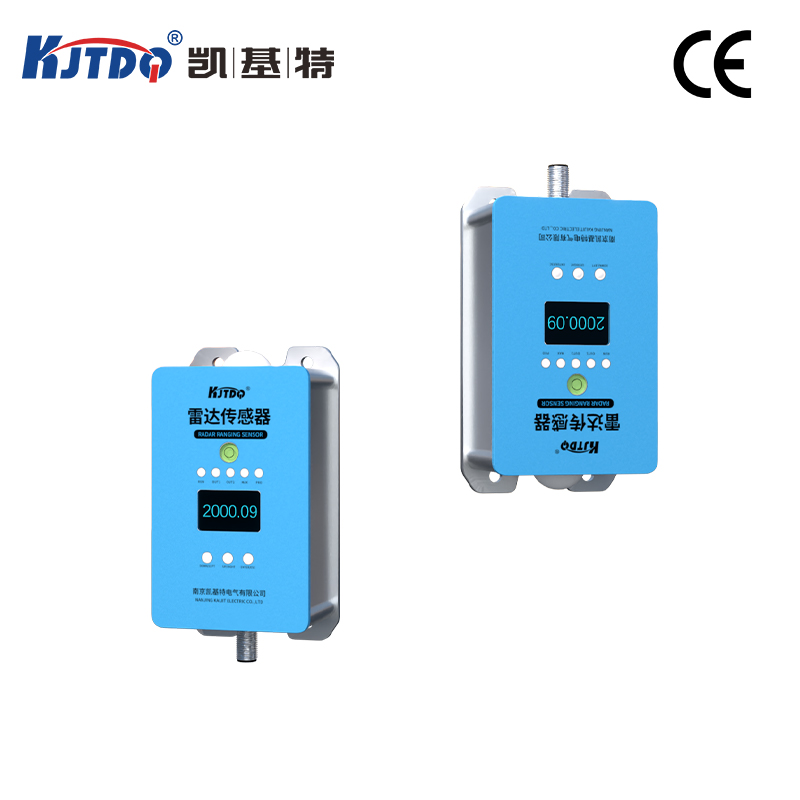
The English term for 雷達液位變送器 is “radar level transmitter” or “radar level sensor.” This device uses electromagnetic waves to measure liquid levels in tanks, silos, or containers, offering non-contact, high-precision monitoring. The name itself reflects its core technology:
Radar level transmitters operate on two primary principles: Frequency Modulated Continuous Wave (FMCW) and Pulse Radar. Both methods emit microwaves toward the liquid surface, measuring the time delay or frequency shift of reflected signals to calculate distance. Key advantages driving their global adoption include:
Standardized terminology ensures seamless communication in multinational projects. For instance:
While ultrasonic and guided wave radar (GWR) devices also measure levels, radar level transmitters dominate in high-performance scenarios:
| Feature | Radar | Ultrasonic | GWR |
|---|---|---|---|
| Measurement Range | Up to 120 m | Up to 60 m | Up to 30 m |
| Environmental Impact | Unaffected by air density | Affected by temperature/humidity | Requires probe contact |
| Maintenance | Minimal | Frequent cleaning | Probe replacement |
Recent advancements focus on enhancing usability and integration:
Uniform use of “radar level transmitter” streamlines cross-border commerce:
Emerging applications combine radar data with machine learning algorithms to predict leaks or optimize inventory. For example, a European LNG terminal now uses AI-driven radar level transmitters to forecast tank levels with 99.5% accuracy, reducing manual inspections by 70%.
From its precise English nomenclature to its role in smart manufacturing, the radar level transmitter exemplifies how technology and terminology converge to drive industrial efficiency. Whether you’re sourcing equipment in Tokyo or designing a plant in Texas, understanding this term unlocks access to a world of innovation.
咨詢熱線(Tel):025-66075066
售后電話(Tel):025-66018619